Optimizing Global Capital Management via Digital IBAN Infrastructure
In a borderless digital economy, the operational velocity of an enterprise is heavily dictated by the fluidity of its payment infrastructure. For international e-commerce networks, SaaS providers, and scaling corporate entities, traditional legacy banking infrastructure has increasingly become an expensive operational bottleneck. Traditional financial institutions frequently disrupt cross-border revenue lines with multi-day clearing delays, unpredictable intermediary correspondent fees, and inflated foreign exchange spreads.
To maintain an operational advantage, forward-thinking finance departments are moving away from restrictive legacy commercial networks toward nimble, cloud-native financial platforms. Orchestrating an
Driving Efficiency via Localized Settlement Channels
A primary commercial advantage of a digital IBAN framework is the capacity to deploy localized routing details in major world economies from a single unified workspace. Rather than routing international B2B payments through sluggish, multi-tiered SWIFT pipelines, businesses can equip global clients with localized banking data tailored to their specific financial zone. For example, European enterprise clients can clear invoices instantly using low-cost SEPA networks, while partners in other major economic hubs can utilize domestic rails like ACH or Faster Payments.
This localized payment architecture delivers immediate operational upgrades:
Accelerated Liquidity Cycles: Capital settlement timelines collapse from several business days to near-instantaneous transfers, freeing up vital working capital.
Minimized Exchange Exposure: Payments are captured, cleared, and held in native currencies, protecting revenue from forced automated conversions at the point of receipt.
Optimized Margin Protection: Eliminating intermediary correspondent banks directly cuts transaction overhead and preserves corporate profitability.
Unified Visibility and Automated Reconciliation Compliance
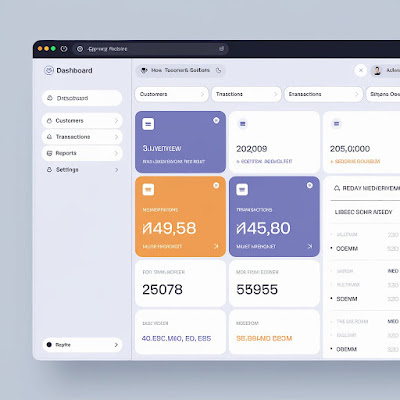
Beyond individual transaction efficiency, modern digital banking structures empower finance teams with complete, real-time tracking of global liquidity. Operating from a centralized dashboard allows treasurers to manage diverse multi-currency ledger streams simultaneously. This comprehensive visibility streamlines complex cross-border reconciliation, minimizes manual data input errors, and automates monthly compliance reporting. Additionally, integrated automated transaction screening helps international entities stay aligned with evolving regulatory standards without disrupting commercial momentum.
Securing the Right Institutional Infrastructure
Because corporate transaction profiles, target geographic corridors, and industry compliance requirements vary dramatically, a generic financial setup is rarely sufficient. Selecting the ideal partner demands a rigorous look at regional licensing, API integration flexibility, security protocols, and volume-based pricing models. Comparing a competitive range of market providers ensures your business implements an infrastructure precisely optimized for your operational scale. To simplify your vendor search and find the most cost-effective financial setup, evaluate advanced platform features and apply for an


Comments
Post a Comment